

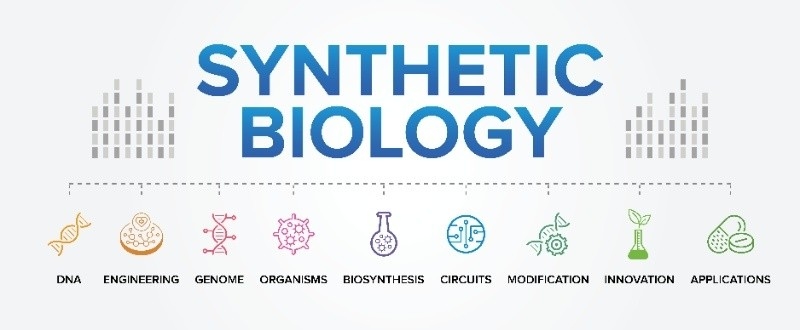
Synthetic biology applications focus on designing biological systems for better medical care. It combines ideas like gene circuit design and CRISPR advancements to improve treatment methods. It also connects with bioengineering trends USA and modern research practices.
This blog will explain how these applications work in real settings. It will cover the benefits and describe how the new approaches are shaping healthcare in a steady way.
Must Read: Bioengineered Materials: Future of Sustainable Manufacturing
You can check below to understand the benefits of synthetic biology applications:
Synthetic biology helps doctors detect diseases early. It uses systems that respond quickly inside the body. These systems give signals when something is wrong. This allows doctors to take action without delay. Early detection improves recovery and reduces long-term issues.
Treatments now focus on specific cells. They do not affect the entire body. This reduces side effects and protects healthy cells. Patients often feel more comfortable during treatment. It also makes the process easier for doctors to manage.
Scientists can design drugs deliberately. This reduces trial and error. It also improves safety and consistency. New medicines are developed with better control. This helps deliver reliable treatment results.
The five top bioengineering trends USA in 2026 are listed below:
Medical care is becoming more personal. Treatments are based on individual needs. This improves results and reduces unnecessary procedures. Doctors can focus on what works best for each patient. This approach makes healthcare more effective.
Data plays a strong role in research today. It helps track patterns in diseases. Scientists use this information to guide treatments. This improves accuracy and reduces errors. It also supports better decision-making in healthcare.
New therapies are being developed for complex conditions. These methods focus on long-term improvement. They aim to treat the root cause. Patients benefit from steady recovery and better outcomes.
Healthcare is shifting toward prevention. Early checks are becoming more common. This helps reduce serious illness later. It also lowers pressure on medical systems. People can manage their health more easily.
Researchers work together across different fields. This brings new ideas and better solutions. It improves knowledge sharing and speeds up progress. Collaboration helps solve complex medical problems more effectively.
The following list will explain how programmable cells function in simple terms and show how they act inside the body:
Programmable cells follow clear instructions. Scientists design these instructions carefully. The cells respond to these signals. This allows them to perform specific tasks. It gives doctors better control over treatment.
These cells can detect changes in the body. They respond when they sense certain signals. This helps manage diseases more precisely. It also allows treatment to happen at the right time.
Doctors use programmable cells to target harmful cells. This reduces damage to healthy tissues. It improves safety during treatment. Patients often recover with fewer complications.
The following list will help you to understand the features of gene circuit design:
Gene circuit design follows a planned process. Each part has a clear role. This makes the system easier to understand. It also improves performance in real conditions.
These circuits behave in a known way. This reduces uncertainty in treatment. Doctors can rely on expected results. This improves safety and consistency.
Gene circuit design can be adapted for different needs. It works in various treatments. This flexibility supports innovation. It also helps in managing complex conditions.
You can refer to the following list to understand how CRISPR advancements are improving medical care. It focuses on their role in treatment.
CRISPR advancements enable precise gene editing. This helps fix harmful genetic changes. It offers new ways to treat serious conditions. Patients receive more direct care through this method.
Research moves faster with this approach. Scientists can test ideas quickly. This leads to faster discoveries. It also improves the pace of medical progress.
CRISPR advancements are used in different areas of medicine. They help treat diseases at their source. This makes treatments more effective. It also opens new paths for therapy.
There are various ways the top biotech innovations of 2026 can shape the healthcare industry. You can refer to the following to understand the impact of these things:
Future treatments may use systems that adjust in real time. These systems respond to patient needs as they change. This improves care and reduces complications. It also makes treatment more precise.
New tools will help detect diseases earlier. They will provide clear results in less time. This allows doctors to act without delay. Early action improves recovery.
Scientists are finding better ways to design biological systems. These methods are more stable and efficient. They help create safer treatments. This also reduces risks in medical use.
Biotech innovations 2026 may improve access to healthcare. Treatments can become easier to use. This benefits patients in many regions. It also supports steady progress in global health.
Synthetic biology applications are improving how medicine works. They support better diagnosis and focused treatment. They also help with early prevention. These methods build stronger healthcare systems. Continued research will bring more reliable solutions and improve patient care over time.
Synthetic biology applications involve designing biological systems for medical use. These systems help improve diagnosis and treatment. They focus on accuracy and control. Doctors use them to manage diseases in a more effective way. This approach supports better patient care and helps improve healthcare practices over time.
Programmable cells follow specific instructions inside the body. They respond to signals and perform targeted actions. This allows them to treat diseases directly at the source. It reduces damage to healthy cells. It also improves safety during treatment. These cells are becoming useful in advanced medical therapies.
CRISPR advancements allow precise changes in genetic material. This helps treat genetic conditions more effectively. It also supports faster research and better understanding of diseases. Doctors can develop more accurate treatments using this method. It plays a key role in improving modern healthcare solutions.
This content was created by AI